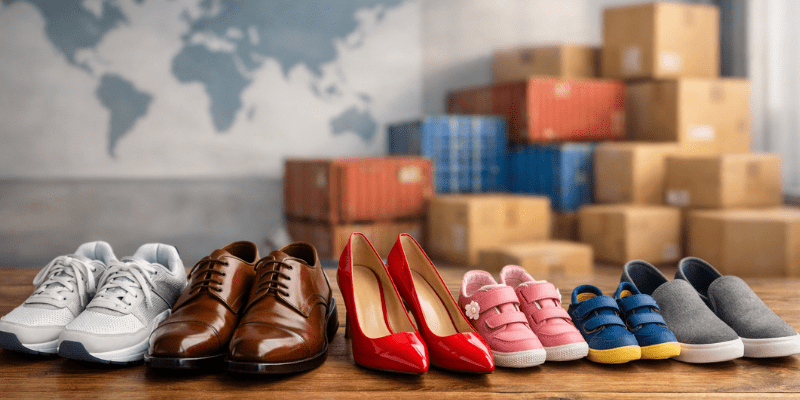

Importing shoes can be a highly profitable business. However, choosing the right type of shoes to import is the most important step. If you choose the wrong category, you risk low sales and excess stock. If you choose wisely, you build a strong and scalable brand.
This guide will help you decide what type of shoes to import in a smart, strategic, and profitable way.
Why Choosing the Right Type of Shoes Matters
The global footwear market is worth billions of dollars. But not every shoe sells equally in every country.
When deciding what type of shoes to import, you must consider:
-
Market demand
-
Target customers
-
Season
-
Trends
-
Profit margins
-
Competition
-
Import costs
Let’s break it down step by step.
Step 1: Understand Your Target Market
Before choosing any shoe type, ask yourself:
-
Who will buy these shoes?
-
What is their age group?
-
What is their income level?
-
What style do they prefer?
Example:
-
Teenagers → Trendy sneakers, casual shoes
-
Office workers → Formal shoes, loafers
-
Fitness lovers → Sports shoes, running shoes
-
Women (25–40) → Heels, flats, lifestyle sneakers
-
Kids → School shoes, comfortable casual shoes
Knowing your audience helps you avoid random importing.
SEO Tip: Use keywords like “best shoes to import” and “profitable shoe categories” naturally in your content.
Step 2: Research Market Demand
You should never guess. Use data.
Tools You Can Use:
-
Google Trends
-
Amazon Best Sellers
-
Local marketplace platforms
-
Social media trends
-
Competitor websites
Search for:
-
“best-selling shoes in [your country]”
-
“trending footwear 2026”
-
“most profitable shoes to sell”
Look for consistent demand, not short-term hype.
Step 3: Choose a Profitable Shoe Category
Here are the main types of shoes you can import:
1. Sports Shoes & Sneakers
Why import them?
-
High demand worldwide
-
Popular among all age groups
-
Repeat customers
Pros:
-
Good profit margins
-
Trend-driven
-
Easy to market online
Cons:
-
High competition
-
Brand-sensitive market
Best for: Online sellers and youth markets.
2. Casual Shoes
Includes:
-
Slip-ons
-
Canvas shoes
-
Everyday wear
Why they sell:
-
Affordable
-
Comfortable
-
Everyday use
Best for: Middle-income markets.
3. Formal Shoes
Includes:
-
Leather shoes
-
Oxford shoes
-
Derby shoes
-
Loafers
Why import formal shoes?
-
Stable demand
-
High profit margins
-
Popular among professionals
Best for: Office-going population.
4. Women’s Footwear
Includes:
-
Heels
-
Sandals
-
Flats
-
Boots
Women’s footwear has one of the largest market shares.
Why?
-
High variety
-
Fashion-driven
-
Repeat buying behavior
However, trends change fast. Stay updated.
5. Kids’ Shoes
Includes:
-
School shoes
-
Sports shoes
-
Casual shoes
Parents buy frequently because children outgrow shoes quickly.
Best for: Stable, long-term business.
6. Seasonal Shoes
Examples:
-
Winter boots
-
Rain boots
-
Summer sandals
These can be profitable but depend on your country’s climate.
Step 4: Analyze Profit Margins
Not all shoes give the same return.
When calculating profit, include:
-
Product cost
-
Shipping cost
-
Import duty
-
Storage cost
-
Marketing cost
-
Platform fees
Choose shoes that allow at least 30–50% markup.
Example:
If total landed cost = $15
You should sell for $25–$35 minimum.
Step 5: Study Your Competition
Search online:
-
Who is selling similar shoes?
-
At what price?
-
What are customer reviews saying?
Look for gaps in the market:
-
Poor quality products
-
High prices
-
Lack of size availability
-
Limited designs
Fill the gap instead of copying competitors.
Step 6: Consider Quality and Supplier Reliability
Your shoe business depends on product quality.
When choosing a supplier:
-
Ask for samples
-
Check material quality
-
Verify certifications
-
Read reviews
-
Negotiate MOQ (Minimum Order Quantity)
Poor quality leads to returns and bad reviews.
Step 7: Follow Fashion Trends (But Carefully)
Trendy shoes sell fast. But trends fade quickly.
Examples of recent trends:
-
Chunky sneakers
-
Sustainable footwear
-
Minimalist designs
-
Retro styles
Balance trend-based shoes with evergreen products like black formal shoes or white sneakers.
Step 8: Decide Your Business Model
Your decision also depends on how you plan to sell:
1. Online Store
Best for:
-
Trendy sneakers
-
Women’s footwear
-
Casual shoes
2. Physical Store
Best for:
-
Formal shoes
-
School shoes
-
Daily wear
3. Wholesale Business
Best for:
-
Basic sneakers
-
Affordable casual shoes
-
Bulk school shoes
Best Keyword Placement for SEO (Yoast-Friendly)
To make your article Google rank friendly:
1. Use Main Keyword:
“Type of shoes to import”
Place it in:
-
Title
-
First paragraph
-
At least one subheading
-
Meta description
-
Conclusion
2. Use Related Keywords:
-
Profitable shoes to import
-
Best shoes to sell
-
Footwear import business
-
Shoe market demand
-
Trending shoes
3. Keep Sentences Short
Yoast prefers:
-
Short sentences
-
Active voice
-
Transition words (However, Therefore, Also, In addition)
-
Clear subheadings
Common Mistakes to Avoid
-
Importing without research
-
Ignoring shipping costs
-
Choosing too many categories at once
-
Focusing only on low price
-
Ignoring customer reviews
Start small. Test the market. Then scale.
Final Checklist Before Importing Shoes
✔ Identify target audience
✔ Research demand
✔ Compare competitors
✔ Calculate profit margin
✔ Order samples
✔ Plan marketing strategy
Conclusion: What Type of Shoes Should You Import?
There is no single “best” type of shoes to import. The right choice depends on:
-
Your budget
-
Your target market
-
Your business model
-
Current trends
-
Profit potential
If you are starting small, casual sneakers or everyday footwear are usually safer options. If you want higher margins, consider formal leather shoes or women’s fashion footwear.
The key is simple: Research first. Import second. Scale smartly.