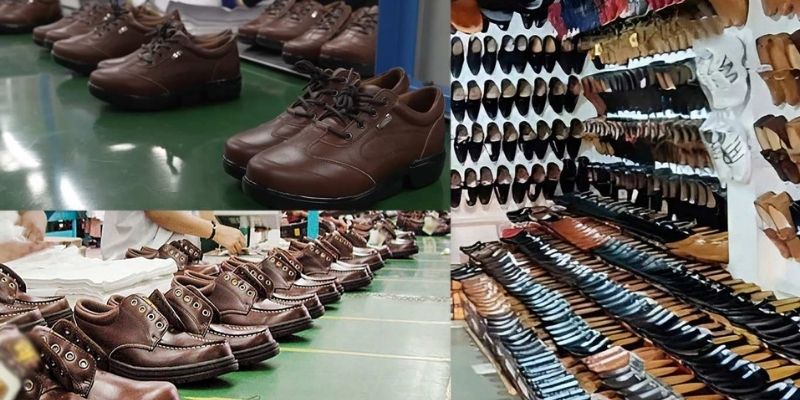

India is one of the world’s major footwear producers. It offers competitive prices, skilled labor, and a wide range of materials, from leather to synthetic and handmade footwear. If you’re planning to import shoes from India, this guide walks you through the process step by step.
1. Decide What Type of Shoes You Want to Import
Before contacting suppliers, be clear about your product requirements.
Ask yourself:
-
What category? (leather shoes, sports shoes, sandals, slippers, safety shoes)
-
Target market? (men, women, kids)
-
Price range and quality level?
-
Handmade or machine-made?
-
Your order quantity per style and size range?
Clear specifications save time and reduce mistakes later, Read Full Article
2. Find Reliable Shoe Manufacturers or Exporters
India has thousands of footwear manufacturers, but quality and reliability vary.
Common sourcing options:
-
Direct manufacturers (best for large or repeat orders)
-
Export trading companies (helpful for small quantities)
-
Industry exhibitions and trade fairs
-
B2B platforms and referrals
When shortlisting suppliers, ask for:
-
Company profile and export experience
-
Product catalog
-
Factory photos or videos
-
References from existing buyers
-
Certifications, if any (ISO, SEDEX, etc.)
Never rely on price alone. A very low quote often means lower materials or poor finishing.
3. Request Samples and Check Quality
Always order samples before confirming a bulk order.
Check the following:
-
Material quality (leather thickness, stitching, sole bonding)
-
Comfort and sizing accuracy
-
Packaging quality
-
Overall finishing and durability
If possible, use a third-party inspection service in India to check samples or production batches.
4. Understand Pricing and Payment Terms
Shoe prices are usually quoted as:
-
FOB (Free on Board)
-
EXW (Ex-Works)
-
CIF (Cost, Insurance, Freight)
Common payment methods:
-
Advance payment + balance before shipment
-
Letter of Credit (LC) for large orders
-
Bank transfer (T/T)
For new suppliers, avoid 100% advance payments unless trust is established.
5. Place the Order and Confirm Details
Before production starts, confirm everything in writing:
-
Shoe design and materials
-
Size breakdown
-
Quantity
-
Unit price
-
Packaging details
-
Delivery timeline
-
Inspection terms
A clear purchase order prevents disputes later.
6. Quality Inspection Before Shipment
Arrange a pre-shipment inspection to check:
-
Quantity
-
Size ratios
-
Defects
-
Packaging and labeling
This step is critical. Fixing issues after shipment is expensive and slow.
7. Shipping and Logistics
Shoes are commonly shipped by:
-
Sea freight (most cost-effective)
-
Air freight (for urgent or small shipments)
You’ll need:
-
Commercial invoice
-
Packing list
-
Bill of lading or airway bill
-
Certificate of origin (if required)
-
Import license (depending on your country)
Work with a freight forwarder who has experience handling footwear shipments.
8. Customs Clearance and Import Duties
Check your country’s:
-
Import duty rates for footwear
-
Labeling requirements
-
Safety or material regulations
Mistakes here can cause delays, fines, or rejected shipments.
9. Build Long-Term Supplier Relationships
Once you find a reliable supplier:
-
Communicate regularly
-
Pay on time
-
Share feedback on quality and sales
-
Negotiate better terms as volume grows
Long-term relationships often lead to better pricing and priority production.
Final Thoughts
Importing shoes from India can be profitable if done carefully. The key is supplier verification, clear communication, and quality control at every stage. Start small, learn the process, and scale once you’re confident. You can visit here to see samples of footwear: Footwear Samples